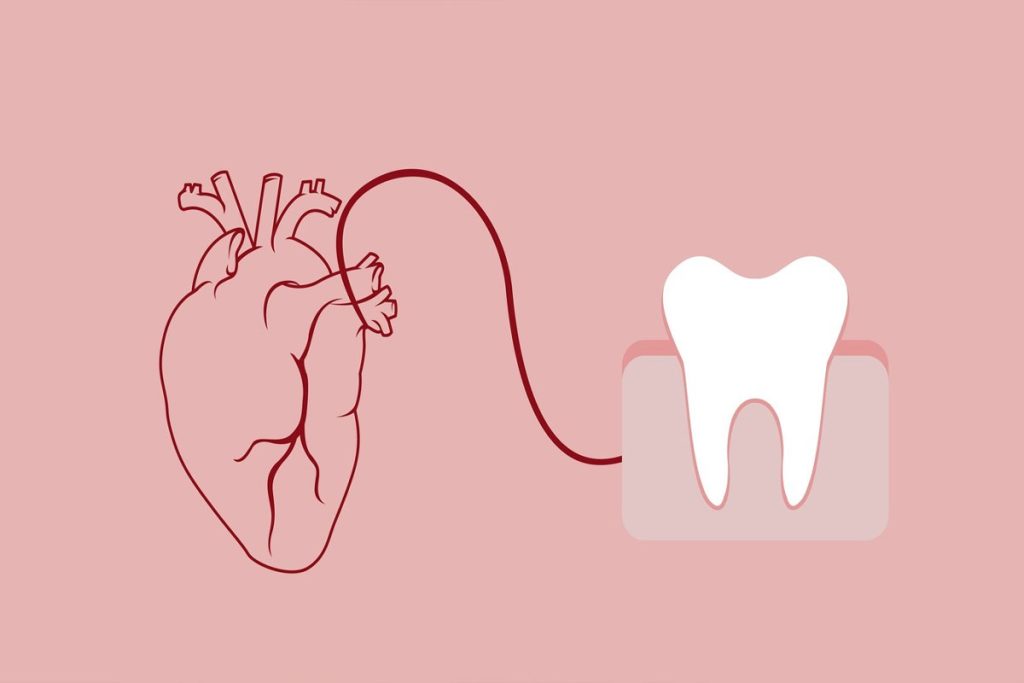
At Mina Digital Dentistry in Tabriz, we’ve been at the forefront of understanding that oral care is not just about maintaining healthy teeth—it’s about preserving life. Our early recognition of the link between oral health and cardiovascular health has now been confirmed by new medical evidence. Inflammation caused by untreated gum disease doesn’t stay confined to your mouth. It can enter the bloodstream and potentially affect your heart in dangerous ways.
How Gum Disease Can Threaten Your Heart
Gum disease, especially in its chronic form known as periodontitis, creates a state of ongoing inflammation in the body. Harmful bacteria accumulate in gum tissues and often enter the bloodstream through small lesions, leading to the thickening of arterial walls and increasing the risk of heart attacks and strokes. At Mina Digital Dentistry, we consider gum health a vital component of overall wellness.
Bacteria That Travel from Your Gums to Your Heart
When bacteria from the mouth enter your bloodstream, they don’t just float aimlessly—they often cling to pre-existing plaque inside your arteries. This can accelerate plaque buildup, narrowing arteries and restricting blood flow. Researchers have even discovered the DNA of oral bacteria within coronary arteries, confirming the strong microbial connection between oral infections and heart disease.
Inflammation: The Common Thread Between Gum and Heart Disease
Inflammation is the body’s alarm system—but when it stays activated, it can become dangerous. In patients with gum disease, we often find elevated levels of inflammatory markers like CRP and IL-6—both of which are also elevated in people with heart disease. Chronic gum inflammation weakens arterial walls, promoting the development of cardiovascular complications.
Why Your Mouth Might Be Warning You About Your Heart
Oral symptoms such as bleeding while brushing, receding gums, persistent bad breath, and loose teeth should never be ignored. These aren’t just dental issues—they could indicate a much deeper systemic problem. At Mina Digital Dentistry, our specialists are trained to recognize when oral symptoms may indicate cardiovascular risks and guide you toward the appropriate care pathway.
What the Research Says
A major 2023 study published in the Journal of Clinical Periodontology found that people with severe gum disease were nearly three times more likely to experience heart attacks. Similarly, Harvard researchers found that untreated gum infections significantly increased stroke risk. These findings underscore a crucial message: a healthy mouth is integral to a healthy heart.
Who’s Most at Risk from Poor Oral Health?
Certain groups face a higher danger when oral care is neglected:
- People with diabetes, who are already prone to inflammation
- Smokers, whose oral tissues heal slower and are more prone to infection
- Seniors and postmenopausal women, who often experience changes in oral microbiota
- People with genetic tendencies toward inflammation
- Those with a family history of heart disease
For these individuals, regular dental check-ups aren’t just routine—they’re lifesaving.
How Good Oral Hygiene Supports a Healthy Heart
Regular dental check-ups are not just routine, they’re lifesaving. At Mina Digital Dentistry, we use state-of-the-art technology to detect early signs of gum disease, giving you a decisive advantage in preventing both oral and cardiovascular problems. This proactive approach can provide you with reassurance about your health.

What to Know If You Already Have a Heart Condition
Patients with heart disease should take extra precautions before undergoing dental treatments, particularly invasive procedures such as extractions or deep cleaning. Mina Digital Dental Center, we follow strict protocols, including antibiotic prophylaxis when necessary, and we coordinate care with your cardiologist to ensure every treatment is 100% heart-safe.
Healthy Habits for Both Mouth and Heart
A balanced diet low in sugars and rich in fiber, omega-3 fatty acids, and antioxidants supports both oral and heart health. Avoiding tobacco, managing stress, and staying active help your immune system fight inflammation and maintain healthy gums and arteries.
Warning Signs You Should Never Overlook
Pay close attention to symptoms like:
- Bleeding or swollen gums
- Receding gum line
- Loose teeth
- Chronic bad breath
- Chest tightness, especially combined with oral discomfort
These signs may be your body’s way of alerting you to systemic inflammation or impending heart issues.
Why Coordinated Dental and Medical Care Is the Future
More clinics worldwide are recognizing the importance of integrating dental and medical care, and Mina Digital Dentistry is proud to be a leader in this trend in Tabriz. Our dentists work closely with cardiologists to ensure patients receive thorough evaluations when signs of systemic inflammation appear. This coordinated approach leads to faster diagnoses, more effective treatments, and better health outcomes.
The Financial Cost of Ignoring Oral Health
Emergency hospitalizations due to strokes or heart attacks are far more expensive than regular dental care. Insurance providers are starting to understand this and may soon begin covering preventive dental services as part of heart disease management. For patients, it’s a smart health and financial decision, making you feel financially savvy and responsible.
What the Future Holds: Saliva as a Diagnostic Tool
Scientists are investigating the potential of salivary diagnostics to evaluate heart health. Your mouth could become the new front line in early cardiovascular screening, with saliva tests revealing key bacterial and inflammatory markers. Mina Digital Dental Center may soon play a vital role in predictive heart care.
Final Thoughts: Brushing Toward a Healthier Heart
Oral care is about much more than white teeth or fresh breath. It’s about giving your heart a better chance to thrive. At Mina Digital Dentistry, we encourage every patient to take oral health seriously—not just for the sake of their smile but for their entire well-being because the journey to a healthy heart may very well start with your next dental appointment.