At Mina Digital Dentistry, oral care begins far beyond the dental chair. What you eat is just as important as how you brush. Nutrition doesn’t just affect your body—it plays a vital role in your gum health, enamel strength, cavity prevention, and even post-treatment recovery. Understanding the relationship between food and dental health is the first step toward a lasting, radiant smile.
Why Diet Matters for Your Teeth
Your mouth is a living ecosystem where food fuels either health or harm. A poor diet feeds cavity-causing bacteria, erodes enamel, and accelerates gum disease. A well-balanced, nutrient-rich diet, however:
- Supports tissue regeneration
- Strengthens enamel
- Maintains oral pH balance
- Enhances immune defenses against infection
Sugar – The #1 Enemy of Enamel
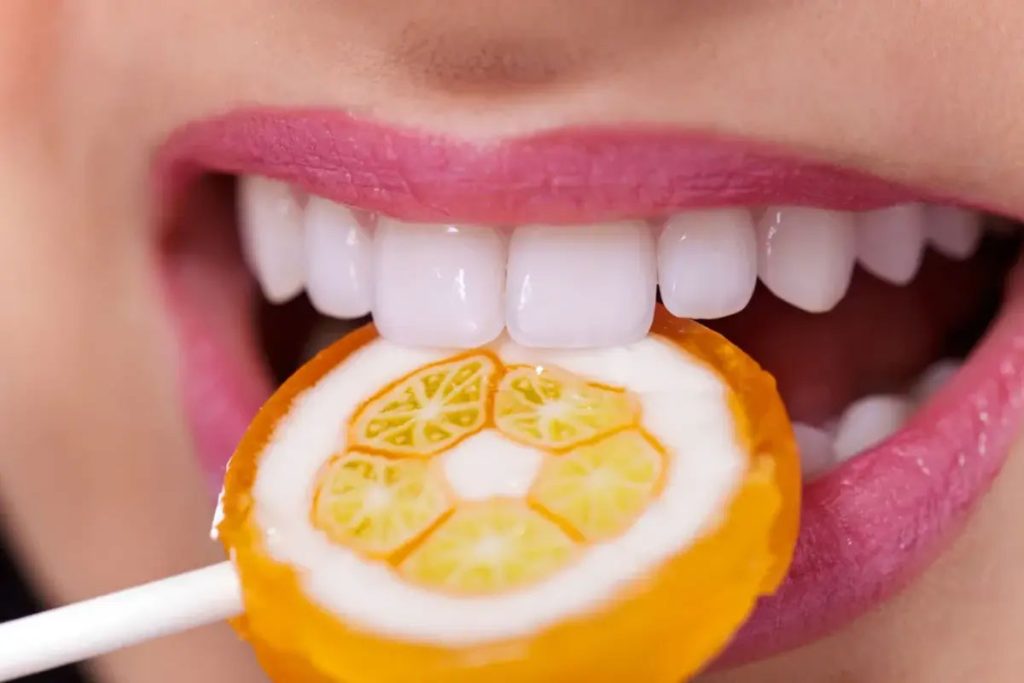
Sugars are fermented by oral bacteria, producing acids that attack enamel. Frequent consumption of sweets, sodas, or even fruit juices exposes your teeth to these acids all day long, leading to:
- Tooth decay
- Gum inflammation
- Enamel erosion
To protect your teeth, limit sugar intake and avoid snacking on sweets between meals.
Calcium and Vitamin D – The Enamel Duo
Calcium forms the structural base of your teeth and jawbone. Foods like cheese, yogurt, tofu, and leafy greens help remineralize enamel and prevent bone loss. Vitamin D ensures calcium is absorbed effectively. Without it, even high-calcium diets fall short.
Best sources include:
- Dairy
- Almonds
- Fatty fish
- Sun exposure
Phosphorus – Silent Partner in Enamel Repair
Found in protein-rich foods like eggs, meat, beans, and nuts, phosphorus works with calcium to maintain enamel strength. It plays a crucial role in rebuilding enamel after acid attacks.
Vitamin C – The Gum Protector
Vitamin C is essential for:
- Collagen synthesis
- Gum tissue strength
- Wound healing
Deficiency can lead to:
- Bleeding gums
- Loose teeth
- Delayed healing after dental procedures
Include citrus fruits, strawberries, broccoli, and bell peppers in your diet.
Antioxidants – Defense Against Inflammation
Nutrients like vitamin E, selenium, and beta-carotene:
- Reduce gum inflammation
- Protect oral cells from free radical damage
- Aid post-surgical recovery
Found in berries, carrots, spinach, and sweet potatoes, these nutrients build long-term oral resilience.
Water – Nature’s Rinse for a Cleaner Mouth
Water is your simplest defense against decay. It:
- Neutralizes acids
- Flushes away debris
- Promotes saliva production
- Delivers fluoride when fluoridated
Drink water regularly—especially after meals and acidic beverages.
Crunchy Fruits & Veggies – The Natural Toothbrush
Apples, celery, and carrots act as mechanical cleaners. Their high fiber content stimulates saliva and helps remove plaque while also providing essential nutrients for oral tissue repair.
Whole Grains – Balancing Oral pH and Inflammation
Whole grains stabilize blood sugar, reducing the chronic Inflammation linked to gum disease. They’re also rich in B vitamins, which support gum health and cellular repair.

Omega-3 Fatty Acids – Fighting Gum Disease
Chia seeds, walnuts, flaxseed, and oily fish contain omega-3s that:
- Reduce gum inflammation
- Improve circulation in oral tissues
- Lower the risk of periodontitis
Acidic Foods – Handle with Care
Lemon juice, sodas, vinegar, and wine soften enamel, making teeth vulnerable to erosion. After acidic foods:
- Rinse with water
- Wait 30 minutes before brushing
- Avoid brushing when enamel is softened
Dairy – More Than Just Calcium
Dairy products contain casein, which strengthens enamel and reduces acidity in the mouth. Cheese, milk, and yogurt also stimulate saliva for a protective oral environment.
Snack Wisely – Minimize Acid Attacks
Frequent snacking = constant acid exposure. Choose:
- Cheese
- Raw nuts
- Veggies
Avoid sticky, sugary, or processed snacks like chips and dried fruits, which stick to teeth and feed harmful bacteria.
Green Tea – Oral Antibacterial Power
Rich in catechins and fluoride, green tea:
- Inhibits harmful bacteria
- Reduces bad breath
- Supports gum health
Drink it unsweetened for maximum benefit.
Probiotics – Balancing the Oral Microbiome
Yogurt, kefir, kimchi, and sauerkraut help regulate the balance of bacteria in your mouth. A healthy oral microbiome reduces the risk of:
- Cavities
- Gum infections
- Bad breath
Avoid Sticky and Processed Foods
Sticky sweets and heavily processed snacks cling to enamel, encouraging acid production. Swap them for fresh fruits or sugar-free alternatives when possible.
Tobacco and Alcohol – Enemies of Oral Health
These habits reduce saliva, increase Inflammation, and heighten the risk of:
- Tooth decay
- Oral cancer
- Gum disease
Reducing or quitting is essential for both oral and overall health.
Meal Timing – Let Your Mouth Recover
Spacing meals and minimizing between-meal snacking allows:
- Saliva to neutralize acids
- Enamel to remineralize
- Reduced bacterial buildup
Stick to 3 main meals with water and limited snacks.
Conclusion: Eat for Your Teeth, Not Just Your Taste Buds
Dental health is built daily—bite by bite. A smart diet can:
- Strengthen enamel
- Support gum health
- Improve immunity
- Lower Inflammation
Eat whole foods, stay hydrated, limit sugar and acid, and you’ll be rewarded with a smile that lasts.